





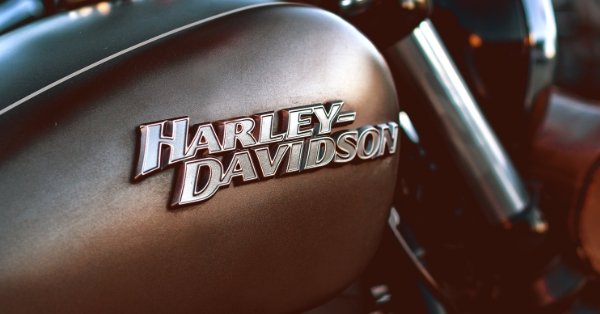
New Delhi, February 7 — India and the United States have announced key details of an interim trade pact that continues progress in talks launched last year. Under the plan, India will allow zero import duty on American motorcycles with engine sizes from 800 cc to 1,600 cc and above once the agreement is put into force, government officials said on Saturday.
The agreement is expected to be signed by mid-March after both sides agreed on a framework on Feb 6, 2026. It follows months of negotiations to address tariff barriers and expand trade cooperation between the two major economies.
Under the interim pact, Harleys and large bikes from other US makers can be imported into India without any import duty once the treaty takes effect. This change builds on earlier reductions made by the government last year, when duties on bikes up to 1,600 cc were cut from 50 per cent to 40 per cent and those above 1,600 cc were reduced to 30 per cent.
The move will particularly benefit brands that sell large capacity bikes in India, where the market for premium motorcycles is small but growing. Harley-Davidson has worked with Hero MotoCorp since 2020 to sell and service bikes in India, including handling parts and accessories.
Officials said the duty change for motorcycles will take effect on the same day the interim deal is implemented. Exact timing will depend on final approval and signing by both governments.
The trade agreement covers more than motorcycles. The United States has agreed to cut tariffs on most Indian exports from 50 per cent to 18 per cent, lifting previous punitive charges linked to disputes over energy imports. India has also agreed to reduce duties on selected US industrial and agricultural goods.
Commerce Minister Piyush Goyal told reporters the interim pact aims to grow bilateral trade and benefit exporters, small businesses, farmers and manufacturers on both sides. He said India will maintain protections for sensitive local sectors, especially in agriculture, even as duties on selected US goods are eased.
The pact is part of wider efforts by India to expand trade links with several partners. It comes after a recent trade agreement with the European Union and talks with countries in the Gulf region.
The framework also addresses energy and imported goods. The United States lifted a 25 per cent tariff previously applied to Indian imports tied to purchases of Russian crude oil. India has signalled it may shift some oil sourcing toward the US and other suppliers as part of the broader deal, though New Delhi says energy security remains its top priority.
Officials said duty concessions will also extend to some US cars, including diesel vehicles with engines of 2,500 cc and above and petrol cars with engines of 3,000 cc and above. The United States will cut tariffs on certain auto parts from India, and a reduced rate will apply to other components.
The trade pact has already influenced investor sentiment in India. Financial markets showed positive movement after early tariff reduction announcements, with stocks of export-linked companies attracting attention. Analysts said clearer trade terms could improve planning and cost expectations for firms selling into American markets.
However, opposition leaders and industry groups in India have raised concerns that the agreement may not offer balanced gains, especially for agriculture and small industries. Government officials say safeguards remain in place to protect domestic sectors.
India and the US agreed on a broad trade framework on Feb 6, 2026, with formal signing likely by mid-March. The treaty reduces tariffs on many Indian exports and allows India to eliminate duties on US goods including motorcycles and some cars. Domestic protections for key Indian sectors are maintained.
Officials continue to negotiate the final text, including precise timelines and mechanisms for implementation. Both governments say the pact will strengthen trade ties and contribute to economic growth.
The interim trade deal marks a step forward in economic cooperation between India and the United States. Removal of import duty on large US motorcycles and tariff reductions on other products is expected to affect exporters and importers, as well as businesses on both sides of the agreement.







Comments are closed